
Most American homeowners do not realize that more than 85 percent of emergency HVAC repairs could be prevented with regular maintenance. As weather patterns shift and energy costs rise across the United States, dependable heating and cooling are no longer just a comfort—they are a necessity. This step-by-step guide reveals simple ways to protect your American home, keep your family comfortable, and avoid costly breakdowns before next season arrives.
Table of Contents
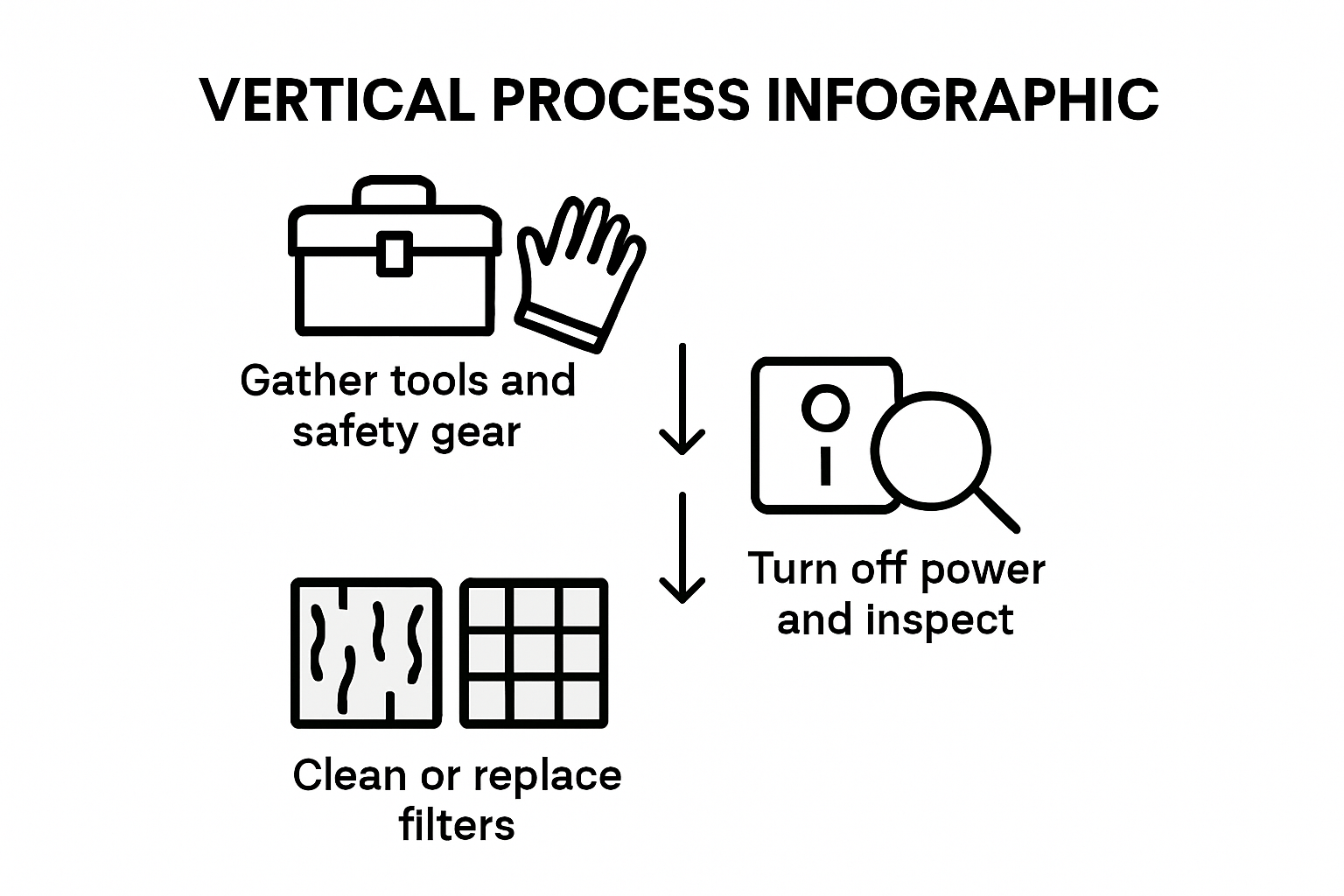
- Step 1: Gather Necessary Tools And Safety Gear
- Step 2: Turn Off Power And Inspect HVAC Components
- Step 3: Clean Or Replace Filters And Vents
- Step 4: Check Thermostat And Controls For Accuracy
- Step 5: Test System Performance And Efficiency
- Step 6: Schedule Professional Inspection If Needed
Quick Summary
| Key Point | Explanation |
|---|---|
| 1. Gather the Right Tools | Assemble essential HVAC tools and safety gear to ensure a safe and effective maintenance experience. |
| 2. Turn Off Power for Safety | Always disconnect electrical power before starting maintenance to prevent accidents and ensure safe operation. |
| 3. Regularly Clean Filters and Vents | Change filters monthly and clean vents to maintain system efficiency and improve indoor air quality. |
| 4. Check Thermostat Functionality | Verify thermostat accuracy and control functions for optimal temperature management and energy efficiency. |
| 5. Schedule Professional Inspections | If you notice performance issues, contact a licensed technician for a comprehensive system evaluation to prevent major repairs. |
Step 1: Gather Necessary Tools and Safety Gear
Preparing for your HVAC maintenance journey starts with assembling the right tools and protective equipment. Proper preparation can make the difference between a smooth maintenance experience and potential safety risks.
Your essential toolkit will include a range of hand tools and specialized HVAC equipment. According to professional HVAC tool checklists, you’ll want to collect screwdrivers, adjustable wrenches, pliers, wire cutters, and a reliable multimeter. Personal protective equipment is equally critical. Safety guidelines recommend wearing protective eyewear, heavy-duty work gloves, dust masks, and sturdy closed toe shoes to shield yourself from potential hazards.
Before starting any maintenance work, double-check that all your tools are in good working condition. Inspect gloves for tears, ensure safety glasses are not scratched, and verify that electrical testing equipment is properly calibrated. A thorough equipment check might seem tedious, but it could prevent serious accidents and equipment damage. Your future self will thank you for taking these precautionary steps.
Ready to move forward? The next section will guide you through initial system inspection and preparation.
Step 2: Turn Off Power and Inspect HVAC Components
Before diving into your HVAC maintenance, safety must be your absolute priority. This step involves carefully disconnecting electrical power and performing a thorough initial system inspection to prevent potential accidents.
Professional safety guidelines emphasize the critical importance of disconnecting power before any maintenance work. Locate your system’s main electrical disconnection switch typically found near the outdoor unit or in your home’s electrical panel. Flip the switch to the off position and verify power interruption by attempting to turn on the system. For added safety, consider using a lockout device to prevent accidental power reactivation during your maintenance process.
Once power is off, begin a systematic inspection of your HVAC components. Comprehensive maintenance checklists recommend examining electrical connections for corrosion, checking refrigerant lines for physical damage, and looking for any signs of wear on belts and hoses. Pay special attention to the condenser and evaporator coils, checking for dust buildup or visible debris that could impair system efficiency. Look for any unusual rust, cracks, or signs of potential mechanical stress.
Ready to proceed? Your next step will involve cleaning and preparing the system for detailed maintenance.
Step 3: Clean or Replace Filters and Vents
Maintaining clean filters and vents is crucial for your HVAC system’s performance and indoor air quality. This step will help you effectively remove dust, debris, and potential allergens that can compromise your system’s efficiency and your home’s air circulation.
Regular maintenance recommendations suggest changing HVAC filters approximately every 30 days. Begin by locating your system’s filter compartment typically found near the return air duct or inside the main unit. Carefully remove the old filter, noting its size and airflow direction arrow. If you have a reusable filter, gently clean it with a soft brush or vacuum attachment to remove accumulated dust. For disposable filters, simply replace with a new one that matches the exact dimensions and airflow specifications of the original.
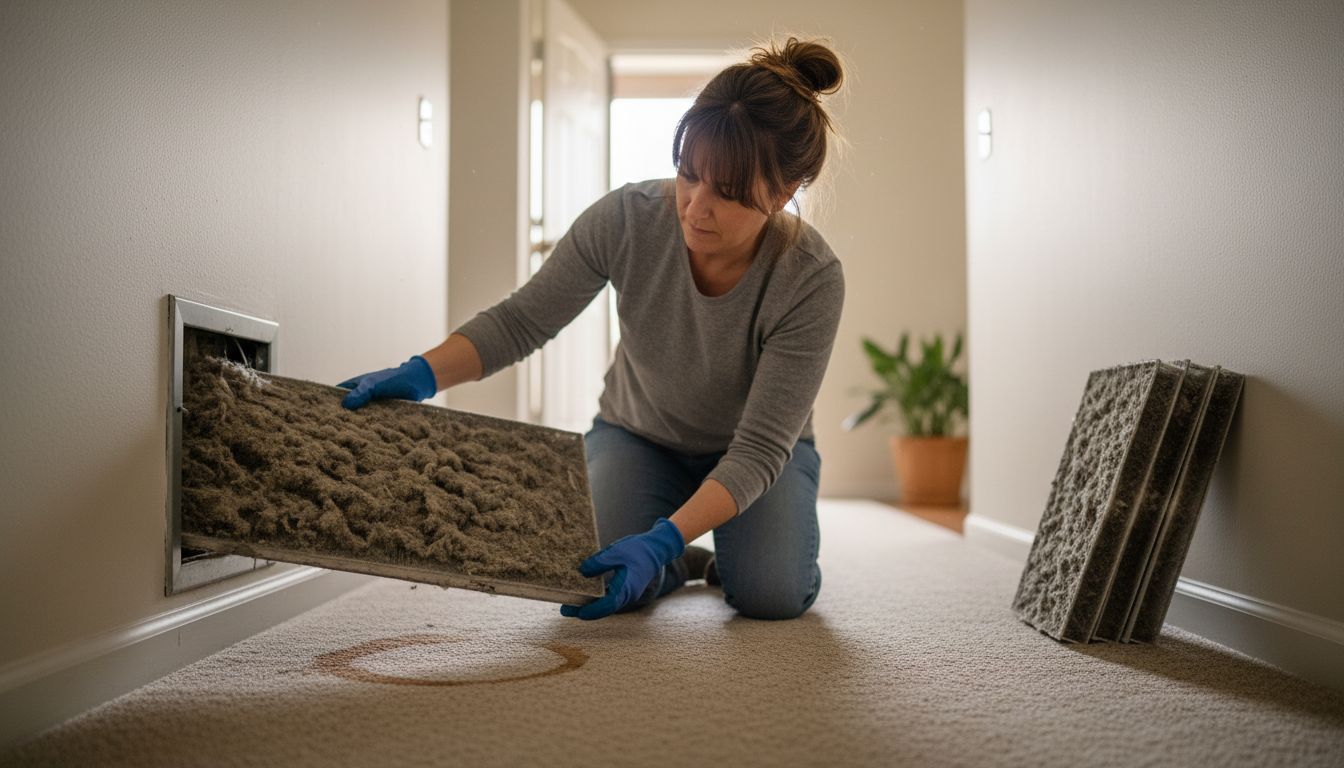
While changing filters, take time to inspect and clean air vents and registers throughout your home. Use a vacuum with a brush attachment to remove surface dust, and consider using a damp microfiber cloth for stubborn debris. Pay special attention to vents in high traffic areas or rooms with increased dust accumulation. Ensure all vents remain unobstructed by furniture or curtains to maintain optimal air circulation and system performance.
Ready to continue? The next step will involve deeper cleaning and inspection of your HVAC system’s internal components.
Step 4: Check Thermostat and Controls for Accuracy
Your thermostat serves as the central command center for your HVAC system, controlling temperature, comfort, and energy efficiency. Understanding how to properly inspect and verify its functionality is crucial for maintaining optimal system performance.
Seasonal maintenance experts recommend thoroughly checking thermostat calibration during routine system inspections. Start by comparing the thermostat’s displayed temperature with a separate digital or mercury thermometer placed nearby. If there is a discrepancy of more than one or two degrees, your thermostat may need recalibration or replacement. Test all control functions including heating, cooling, fan settings, and programmable schedule modes to ensure smooth and accurate operation.
For digital and smart thermostats, verify battery levels and update firmware if available. Check that programmed schedules align with your current lifestyle and energy efficiency goals. Replace batteries annually or when low battery warnings appear. If you have an older mechanical thermostat, consider upgrading to a programmable or smart model that can provide more precise temperature control and potential energy savings.
Ready to move forward? The next step will involve a comprehensive examination of your system’s electrical connections and overall performance.
Step 5: Test System Performance and Efficiency
Testing your HVAC system’s performance is the critical final step in ensuring your equipment operates at peak efficiency. This comprehensive evaluation will help you identify potential issues before they become costly repairs and maintain optimal home comfort.
Recommended maintenance practices suggest conducting a thorough performance assessment by monitoring system behavior during operation. Turn on your heating and cooling systems separately, listening for unusual sounds like grinding, squealing, or excessive rattling. Check airflow from each vent to ensure consistent temperature distribution and volume. Measure the temperature difference between supply and return air vents to verify your system is functioning within expected parameters.
System performance tracking involves carefully reviewing recent energy bills for unexpected spikes in consumption. Compare current utility statements with previous months and the same period last year. Unusual increases might indicate underlying efficiency problems or mechanical issues requiring professional attention. Pay special attention to your system’s cooling and heating cycles timing and duration. Short cycling or prolonged running could signal potential component wear or calibration problems that need immediate professional evaluation.
Ready to wrap up your maintenance checklist? Consider scheduling a professional inspection to validate your thorough home assessment.
Step 6: Schedule Professional Inspection if Needed
Even with meticulous home maintenance, some HVAC issues require professional expertise. This final step helps you determine when expert intervention becomes necessary and how to approach securing a comprehensive system evaluation.
Professional maintenance recommendations suggest scheduling comprehensive inspections before the start of heating and cooling seasons. If you noticed any performance irregularities during your previous maintenance steps such as unusual noises, inconsistent temperatures, reduced airflow, or unexplained energy bill increases, it is time to contact a licensed HVAC technician. Look for professionals who can provide a detailed diagnostic assessment, including electrical connection evaluations, refrigerant level checks, and comprehensive system efficiency testing.
When selecting a technician, request references, verify professional certifications, and ask about their specific experience with your HVAC system type. Many reputable services offer season preparation packages that include thorough inspections, cleaning, and minor repairs. A professional evaluation can help catch potential issues early, potentially saving you from expensive emergency repairs and extending your system’s operational lifespan. Remember that investing in preventative maintenance is significantly more cost effective than addressing major system failures.
Congratulations on completing your HVAC maintenance checklist for 2025.
Keep Your HVAC System Running Smoothly with Trusted Local Experts
Maintaining HVAC systems can be challenging, especially when balancing tasks like filter replacement, thermostat calibration, and performance testing. The detailed checklist in “HVAC Maintenance Checklist 2025” highlights common pain points such as preventing unexpected breakdowns, ensuring safety, and avoiding higher energy bills. These goals require both routine care and expert support to tackle complex issues like refrigerant handling and electrical system inspection.
Don’t let the complexity of proper maintenance overwhelm you. airconditioning-heating.com connects you instantly with licensed HVAC contractors in Los Angeles who specialize in repair, maintenance, and installation. Whether you just need help with deep cleaning or a full system tune-up, experienced professionals are ready to restore your system’s efficiency and safety.

Ready to protect your comfort and savings? Find trusted local HVAC service providers today by visiting airconditioning-heating.com. Take control of your system’s future now and beat the heat before it’s too late.
Frequently Asked Questions
How often should I perform HVAC maintenance?
Regular HVAC maintenance should be conducted approximately every six months, ideally before the heating and cooling seasons. Schedule your maintenance in early spring and fall to ensure your system operates efficiently year-round.
What tools do I need for my HVAC maintenance checklist?
Essential tools for HVAC maintenance include screwdrivers, adjustable wrenches, pliers, wire cutters, and a multimeter. Gather these tools along with safety gear like protective eyewear and gloves before starting your maintenance work.
How can I tell if my thermostat is working correctly?
To verify your thermostat’s functionality, compare its displayed temperature with a separate thermometer nearby. If there’s a discrepancy of more than one to two degrees, recalibrate or consider replacing the thermostat to maintain system efficiency.
What should I do if I notice unusual noises from my HVAC system?
If you hear strange sounds, such as grinding or rattling, turn off your system and inspect it for any visible issues. If the noises persist upon restarting, contact a licensed HVAC technician for a professional evaluation.
When should I schedule a professional inspection for my HVAC system?
Schedule a professional inspection if you observe performance issues like inconsistent temperatures or higher energy bills. It’s a good idea to arrange for this assessment before the start of each heating and cooling season to catch potential problems early.
How can I improve the indoor air quality of my home with my HVAC system?
Improving indoor air quality begins with regularly changing or cleaning your HVAC filters. Aim to replace disposable filters every 30 days and clean reusable filters to reduce dust and allergens, improving overall air circulation.
Recommended
- #1 HVAC Company Los Angeles, CA | HVAC Pros | (833) 441-1101
- #1 HVAC Company Los Angeles, CA | HVAC Pros | (833) 441-1101
- #1 HVAC Company Los Angeles, CA | HVAC Pros | (833) 441-1101
- #1 HVAC Company Los Angeles, CA | HVAC Pros | (833) 441-1101
- Diesel Fuel System Cleaning: Best Practices and Pro Tips 2025 – My WordPress

