
Heating and cooling account for a staggering 39 percent of the energy used in the average American building, yet so many people overlook what keeps their spaces comfortable all year long. Understanding HVAC systems is essential for anyone who wants safer air and lower bills. By breaking down the essentials and revealing how modern technology shapes American homes and businesses, this guide can help you make smart decisions for healthier, more energy-efficient living.
Table of Contents
- Defining HVAC: Core Concepts And Common Uses
- Main Types Of HVAC Systems Explained
- How Heating, Ventilation, And Air Conditioning Work
- Costs, Efficiency, And Energy Savings Factors
- Choosing Licensed HVAC Pros In Los Angeles
Key Takeaways
| Point | Details |
|---|---|
| Importance of HVAC | HVAC systems are essential for maintaining comfort and air quality in indoor environments, accounting for about 39% of energy use in buildings. |
| Energy Efficiency | Modern high-performance HVAC systems can significantly reduce energy costs and operational expenses through advanced technologies and regular maintenance. |
| System Types | Understanding the differences between central and decentralized HVAC systems is crucial for selecting the right solution for your specific space. |
| Choosing Professionals | Hiring licensed HVAC professionals involves verifying credentials and checking for contractor reliability to ensure quality service. |
Defining HVAC: Core Concepts and Common Uses
Heating, ventilation, and air conditioning (HVAC) represents a crucial technological system designed to create comfortable, safe, and healthy indoor environments for homes and businesses. These interconnected systems work seamlessly to regulate temperature, control humidity, filter air, and maintain optimal indoor air quality. HVAC systems consume an average of 39% of a facility’s energy use, making them significant energy management components in modern buildings.
At its core, HVAC functions through three primary mechanisms: heating, cooling, and air circulation. Heating components like furnaces or heat pumps warm indoor spaces during colder months, while air conditioning units remove heat and humidity during warmer periods. Ventilation systems ensure continuous air exchange, removing stale air and introducing fresh outdoor air, which prevents indoor air pollution and maintains appropriate oxygen levels. These systems typically include complex networks of ducts, vents, thermostats, and mechanical units that work together to create a balanced indoor climate.
Modern HVAC technologies have evolved to prioritize energy efficiency and environmental sustainability. High-performance HVAC systems aim to optimize energy consumption while delivering precise indoor conditions, utilizing advanced sensors, smart controls, and innovative design principles. Homeowners now have access to programmable thermostats, zonal cooling and heating options, and systems that can adapt to changing environmental conditions with minimal manual intervention. These technological advancements not only improve comfort but also significantly reduce energy waste and operational costs.
Pro Tip: Schedule professional HVAC system maintenance twice annually to ensure peak performance, catch potential issues early, and maintain optimal energy efficiency throughout the year.
Main Types of HVAC Systems Explained
HVAC systems represent a diverse array of technological solutions designed to manage indoor climate and comfort. HVAC systems can be broadly categorized into central and decentralized configurations, each with unique characteristics tailored to different residential and commercial needs. These systems range from comprehensive building-wide solutions to targeted zone-specific installations, offering flexibility in temperature and air quality management.
Central HVAC systems typically involve large-scale equipment that conditions entire buildings through a network of ducts and vents. These systems include traditional options like furnaces, boilers, and comprehensive heating and cooling units. Specific system types include boilers generating steam or hot water, furnaces using natural gas or electricity, heat pumps transferring heat between indoor and outdoor environments, and air conditioning units designed to remove indoor heat. Each system offers distinct advantages depending on building size, climate requirements, and energy efficiency goals.

Decentralized HVAC systems provide more localized climate control, allowing individual rooms or zones to be conditioned independently. These systems include ductless mini-split units, window air conditioners, and portable heating and cooling devices. Such configurations are particularly beneficial for homes with unique architectural layouts, older buildings without extensive ductwork, or spaces requiring targeted temperature management. Advanced technologies now enable smart integration, allowing homeowners to control individual room temperatures through smartphone applications and programmable thermostats.
Here’s a quick comparison of central and decentralized HVAC system types to help clarify their key distinctions:
| System Type | Coverage Area | Typical Use Cases | Initial Cost Range |
|---|---|---|---|
| Central HVAC | Whole building | Large homes, offices, commercial | Higher upfront |
| Decentralized HVAC | Individual rooms | Apartments, older homes, remodels | Lower upfront |
Pro Tip: Consult with a professional HVAC technician to assess your specific space and determine the most energy-efficient and cost-effective system configuration for your home or business.
How Heating, Ventilation, and Air Conditioning Work
HVAC systems operate through an intricate network of mechanical and electrical components that work in synchronized harmony to manage indoor environmental conditions. These systems integrate heating, ventilation, and air conditioning components to control indoor environments, creating comfortable and healthy living spaces. The process begins with temperature regulation, air movement, and air quality management.
Heating mechanisms form the first critical component of HVAC functionality. Furnaces and boilers generate thermal energy through combustion or electrical resistance, transforming cold air into warm currents distributed throughout living spaces. Heating systems utilize various methods such as forced air, radiant heat, or water-based systems to raise indoor temperatures. Ventilation systems simultaneously work to circulate this heated air, removing stale indoor air and introducing fresh outdoor air through sophisticated duct networks and exchange mechanisms.
Air conditioning represents the cooling phase of HVAC operations, utilizing refrigeration principles to extract heat from indoor environments. Refrigerant cycles through compressors and evaporator coils, absorbing indoor heat and transferring it outside, effectively lowering ambient temperatures. Modern systems incorporate advanced sensors and smart technologies that enable precise temperature control, humidity management, and energy efficiency. These intelligent systems can automatically adjust cooling and heating outputs based on external temperatures, occupancy levels, and user preferences, creating a dynamic and responsive indoor climate.
Pro Tip: Schedule professional HVAC system calibration annually to optimize performance, ensure energy efficiency, and prevent potential mechanical failures before they become costly repairs.
Costs, Efficiency, and Energy Savings Factors
HVAC system efficiency directly impacts household energy consumption and monthly utility expenses. HVAC systems account for approximately 39% of a facility’s energy use, representing a significant opportunity for potential cost savings and environmental conservation. Understanding the intricate relationship between system performance, technological innovations, and energy management can help homeowners make informed decisions about their heating and cooling investments.
Energy efficiency strategies play a crucial role in reducing operational costs and minimizing environmental impact. High-performance HVAC systems can lead to a 30% reduction in annual energy costs, with a typical payback period of three to five years. Key factors influencing system efficiency include proper equipment sizing, regular maintenance, advanced technological integrations, and strategic thermostat programming. Modern systems equipped with smart sensors and zonal control mechanisms can automatically adjust temperature settings, optimize airflow, and minimize unnecessary energy consumption.
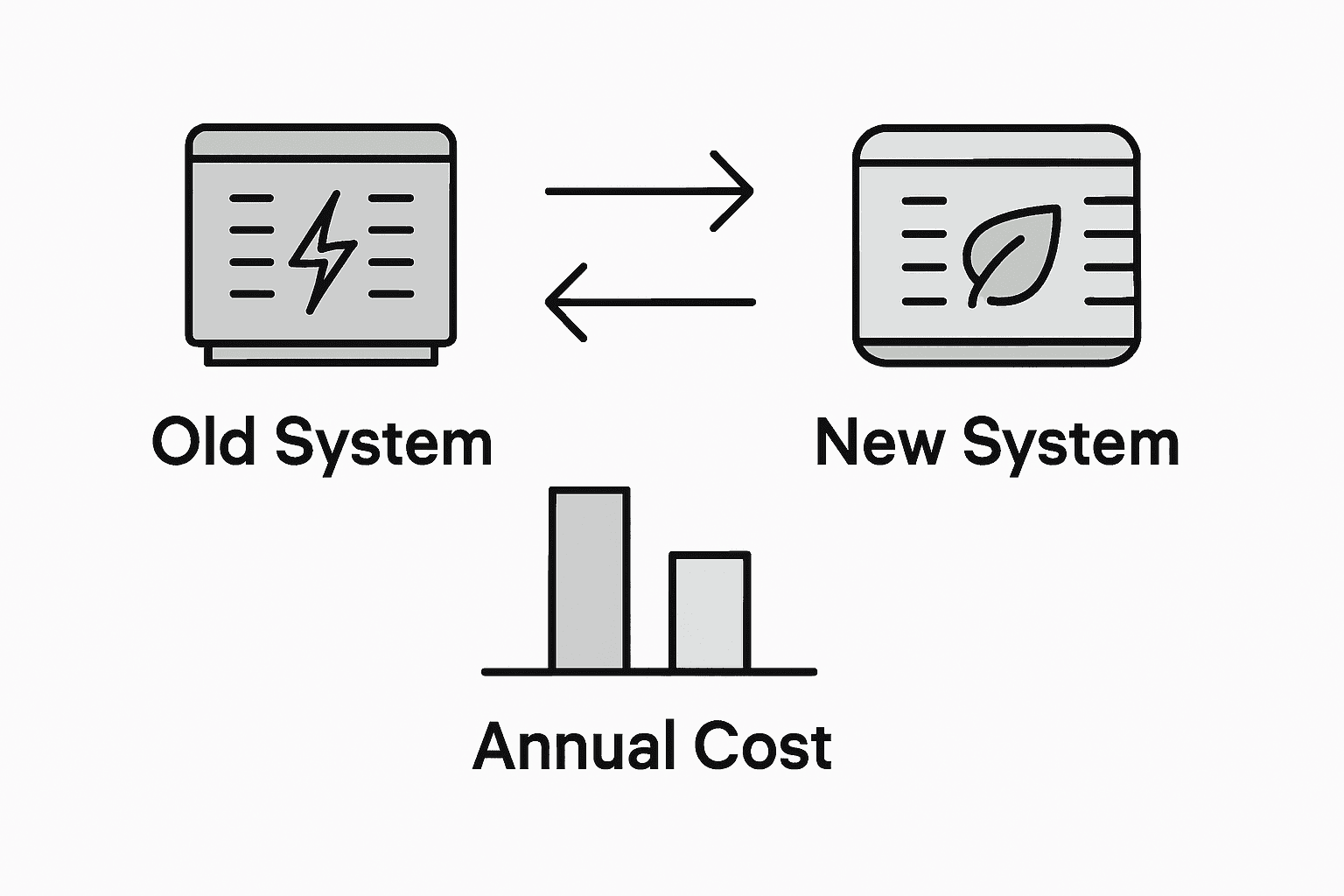
The financial considerations of HVAC systems extend beyond initial installation costs. Homeowners should evaluate long-term expenses, including maintenance, repair, and energy consumption. Advanced systems with higher upfront investments often provide substantial savings through improved energy efficiency, reduced repair frequency, and extended equipment lifespans. Additional cost-saving measures include upgrading insulation, sealing air leaks, utilizing programmable thermostats, and implementing zone-based temperature control strategies. Professional energy audits can help identify specific opportunities for system optimization and potential energy savings.
Consider these main factors influencing HVAC energy efficiency and long-term savings:
| Factor | Impact on Efficiency | Benefit for Homeowners |
|---|---|---|
| Proper System Sizing | Prevents energy waste | Lower bills, optimal comfort |
| Regular Maintenance | Keeps performance at peak levels | Extends equipment lifespan |
| Smart Controls | Automates settings for conditions | Reduces unnecessary energy use |
| Zonal Programming | Tailors temperature by zone | Cuts costs in unused spaces |
Pro Tip: Compare your HVAC system’s seasonal energy efficiency ratio (SEER) rating when considering upgrades, as higher ratings indicate more significant potential for long-term energy and cost savings.
Choosing Licensed HVAC Pros in Los Angeles
Selecting a qualified HVAC professional in Los Angeles requires careful research and understanding of critical licensing requirements. The California Contractors State License Board provides essential resources for verifying professional credentials, ensuring homeowners can make informed decisions about their HVAC service providers. Legitimate contractors must possess current state licensing, demonstrating their technical expertise, legal compliance, and professional accountability.
Before hiring an HVAC professional, homeowners should conduct comprehensive background checks that extend beyond basic licensing verification. The Better Business Bureau offers a detailed directory of accredited HVAC contractors in Los Angeles, providing insights into contractor reliability, customer satisfaction, and service history. Critical evaluation criteria should include checking for valid contractor licenses, reviewing professional certifications, examining customer testimonials, and confirming comprehensive insurance coverage. Additional considerations involve assessing the contractor’s experience with specific HVAC system types, their familiarity with local building codes, and their ability to provide detailed written estimates.
Navigating the Los Angeles HVAC professional landscape requires understanding the nuanced differences between various service providers. Independent contractors, local companies, and national service networks each offer unique advantages. Homeowners should prioritize professionals who demonstrate transparent pricing, provide comprehensive warranties, offer emergency service capabilities, and maintain up-to-date technological knowledge. Technical expertise, proven track record, and commitment to ongoing professional development should ultimately guide your selection process.
Pro Tip: Request and verify three professional references from recent Los Angeles clients before finalizing any HVAC service agreement, ensuring you select a contractor with demonstrable local experience and consistent performance.
Ensure Comfort and Efficiency in Your Los Angeles Home with Trusted HVAC Experts
Managing your home’s HVAC system for both comfort and energy efficiency can feel overwhelming, especially with the high temperatures common in Los Angeles. The article highlights how critical regular maintenance, proper system sizing, and professional expertise are to maintaining a safe and efficient indoor environment. If you are facing challenges with heating, ventilation, or air conditioning, finding qualified and licensed local contractors is essential to avoid costly repairs and reduce energy waste.

Take control of your indoor comfort today by exploring trusted HVAC service providers through airconditioning-heating.com. Our platform connects you with Los Angeles professionals specializing in installation, repair, and preventative maintenance for all types of HVAC systems. Don’t wait for a breakdown or inefficiency to disrupt your daily life. Visit airconditioning-heating.com now to quickly find licensed contractors who understand your needs and deliver dependable solutions. Your comfort and savings start with one simple step.
Frequently Asked Questions
What are the main components of an HVAC system?
The main components of an HVAC system include heating mechanisms (like furnaces and heat pumps), cooling units (like air conditioners), and ventilation systems that help circulate and filter air.
How does HVAC contribute to energy efficiency in my home?
Energy-efficient HVAC systems utilize advanced technologies such as smart controls and programmable thermostats to reduce energy consumption, optimize temperature settings, and minimize waste, resulting in lower utility bills and a reduced carbon footprint.
What is the difference between central and decentralized HVAC systems?
Central HVAC systems condition the whole building through a network of ducts and vents, while decentralized systems provide localized climate control, allowing individual rooms or zones to be conditioned independently, suitable for various home layouts and needs.
How often should I schedule maintenance for my HVAC system?
It’s recommended to schedule professional HVAC maintenance twice a year to ensure peak performance, catch potential issues early, and maintain optimal energy efficiency throughout the year.

