
Most american homes and businesses rely on HVAC systems to maintain comfort all year, yet more than 60 percent of people admit they do not fully understand how these systems work. Air quality, temperature, and energy costs all depend on complex components working together behind the scenes. Learning about these key parts helps you make smarter choices about maintenance and upgrades for lasting efficiency and comfort.
Table of Contents
- Understanding HVAC System Components And Functions
- Major Types Of HVAC Units Explained
- Key Parts: Compressors, Coils, And Thermostats
- Ductwork, Air Filters, And Ventilation Essentials
- Maintenance Needs And Common Component Issues
Key Takeaways
| Point | Details |
|---|---|
| HVAC System Components | HVAC systems consist of key components like heating units, cooling units, and distribution systems, all crucial for maintaining indoor comfort. |
| Control Mechanisms | Modern HVAC systems use thermostats and smart technologies to optimize energy consumption and enhance user comfort. |
| Maintenance Importance | Regular maintenance, including air filter changes and component inspections, is essential for extending system lifespan and preventing costly repairs. |
| Selection Factors | Choosing the right HVAC unit involves considering climate, energy efficiency, installation costs, and specific heating and cooling needs. |
Understanding HVAC System Components and Functions
HVAC systems are complex networks of interconnected components designed to create comfortable indoor environments. These sophisticated systems go far beyond simple temperature control, actively managing air quality, humidity, and thermal regulation for residential and commercial spaces. A typical HVAC system comprises several critical elements that work together seamlessly to maintain optimal comfort conditions.
The core components of an HVAC system include the heating unit, which could be a furnace or heat pump, responsible for warming indoor spaces during colder periods. The cooling unit, typically an air conditioner, removes heat and reduces indoor temperatures during warmer months. These primary units connect to a distribution system – usually air ducts or piping – that circulates conditioned air throughout the building. Air conditioning installation professionals understand how these intricate components interact to deliver consistent temperature control.
Control mechanisms play a crucial role in modern HVAC systems. Thermostats act as the brain, monitoring ambient temperatures and signaling heating or cooling units to activate or deactivate based on preset parameters. Advanced systems now incorporate smart technologies that learn user preferences, optimize energy consumption, and provide remote monitoring capabilities. Additional components like air filters, humidity controllers, and ventilation systems work in concert to improve indoor air quality and create healthier living environments.
Understanding these system components helps homeowners make informed decisions about maintenance, upgrades, and potential repairs. While the complexity might seem overwhelming, recognizing how each part contributes to overall system performance can help you better communicate with HVAC professionals and ensure your home remains comfortable year-round.
Major Types of HVAC Units Explained
HVAC systems are designed with diverse unit types to address specific heating, cooling, and ventilation needs across residential and commercial environments. Best HVAC companies recognize that understanding these different units is crucial for selecting the most appropriate system for any space. The primary categories include central air conditioning systems, heat pumps, furnaces, boilers, and specialized ventilation units, each engineered to deliver precise temperature and air quality management.
Central air conditioning systems represent the most common residential cooling solution, utilizing a network of ducts to distribute chilled air throughout a building. Heat pumps offer remarkable versatility, providing both heating and cooling capabilities by transferring thermal energy between indoor and outdoor environments. In colder regions, furnaces remain the primary heating method, burning fuel to generate warmth and circulate heated air. Boilers, another heating alternative, generate warmth by heating water or creating steam that circulates through radiators or radiant floor systems.
Advanced HVAC technologies now include innovative solutions like ductless mini-split systems and energy recovery ventilators. These modern units provide targeted temperature control and improved energy efficiency. Mini-split systems allow zone-based temperature management, enabling different rooms to maintain independent temperature settings. Energy recovery ventilators enhance indoor air quality by exchanging stale interior air with fresh outdoor air while minimizing energy loss during the process.
Selecting the right HVAC unit depends on multiple factors, including climate, building size, energy efficiency requirements, and budget constraints. Homeowners should carefully evaluate their specific needs, considering factors like installation costs, long-term energy consumption, maintenance requirements, and environmental impact. Consulting with HVAC professionals can help determine the most suitable system configuration for optimal comfort and performance.
Key Parts: Compressors, Coils, and Thermostats
HVAC systems rely on three critical components that work together to regulate temperature and maintain indoor comfort. Air conditioning contractors understand the intricate relationship between these key parts: the compressor, coils, and thermostat. Each component plays a unique and essential role in the overall performance of heating and cooling systems.
The compressor serves as the heart of the cooling system, transforming low-pressure refrigerant gas into a high-pressure, high-temperature gas that can effectively transfer heat. When this compressed refrigerant moves through the condenser coil, it releases heat to the outside environment, cooling down and condensing into a liquid state. The evaporator coil then completes the heat exchange process by absorbing indoor heat, allowing the refrigerant to evaporate back into a gaseous state and create a cooling effect inside the building.
Modern thermostats act as the system’s brain, providing precise control over temperature and operational cycles. Smart thermostats have revolutionized climate control by offering programmable settings, remote access, and energy-efficient algorithms that learn household temperature preferences. These advanced control mechanisms can automatically adjust heating and cooling to optimize comfort while minimizing energy consumption. Some models even provide detailed energy usage reports and can be integrated with smart home systems for comprehensive environmental management.
Understanding the interplay between these components helps homeowners appreciate the complexity of their HVAC system. Regular maintenance of compressors, careful cleaning of coils, and strategic thermostat programming can significantly extend system life, improve energy efficiency, and ensure consistent indoor comfort throughout changing seasonal conditions.
Ductwork, Air Filters, and Ventilation Essentials
HVAC systems depend critically on ductwork, air filtration, and ventilation components to maintain optimal indoor air quality and thermal comfort. HVAC duct installation professionals understand that these interconnected systems form the circulatory network of any heating and cooling infrastructure, delivering conditioned air throughout residential and commercial spaces.
Ductwork serves as the primary transportation system for heated and cooled air. Duct networks must be carefully designed to ensure efficient air distribution, minimizing resistance and preventing energy loss. Properly sealed and insulated ducts can significantly improve overall system performance, reducing strain on HVAC equipment and lowering energy consumption. The air filter plays a crucial role in this system, acting as a critical barrier that removes dust, allergens, and microscopic particles from circulating air, thereby protecting both the HVAC system and the building’s occupants.
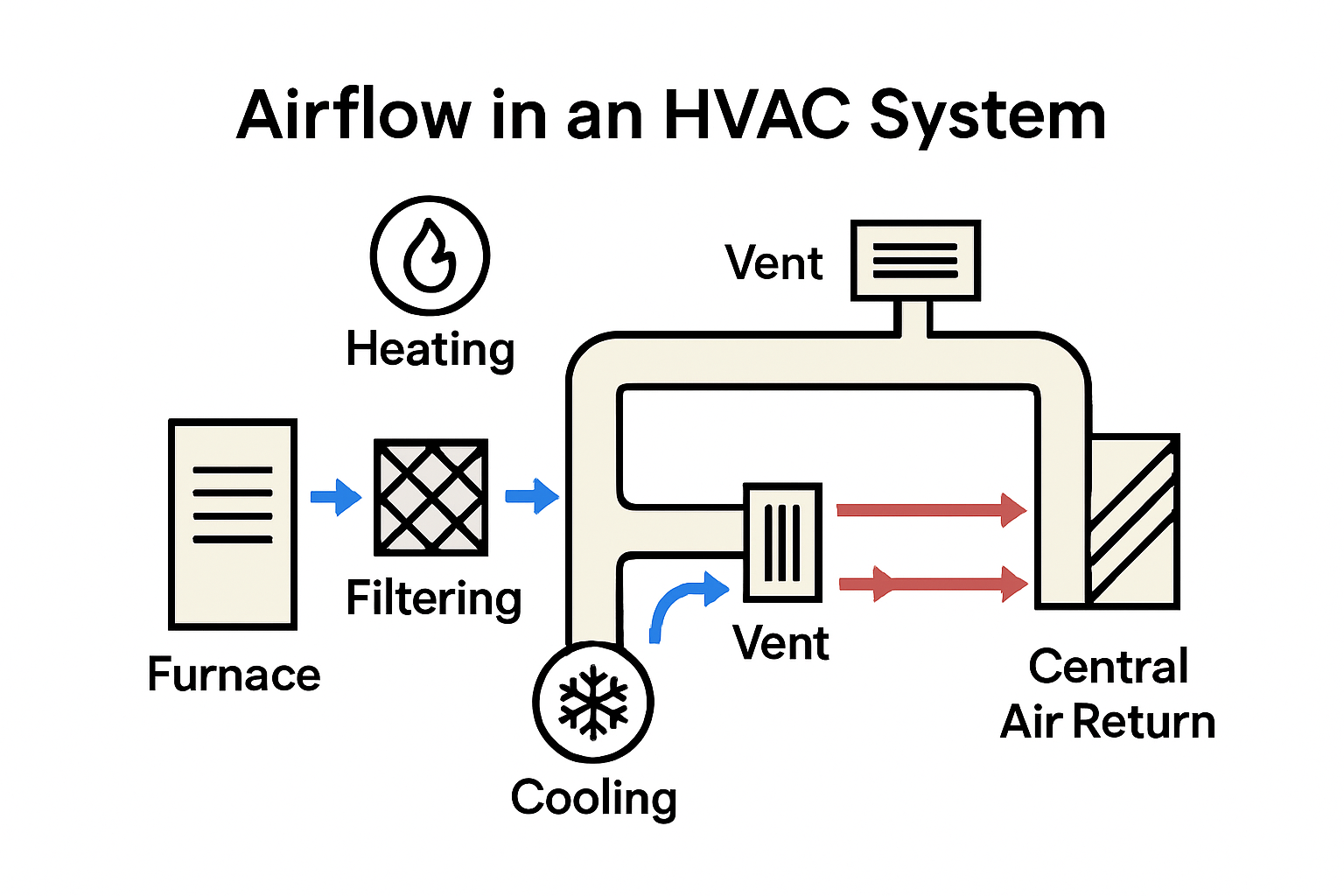
Advanced ventilation technologies now incorporate sophisticated air duct cleaning methods and air purification systems. Ultraviolet light treatments and high-efficiency particulate air (HEPA) filters can dramatically improve indoor air quality by neutralizing bacteria, viruses, and other harmful contaminants. Modern ventilation systems are designed to balance air exchange, removing stale indoor air while introducing fresh outdoor air through carefully engineered mechanisms that minimize energy loss and maintain comfortable temperature and humidity levels.
Homeowners should prioritize regular maintenance of their ductwork and air filtration systems. This includes periodic professional inspections, regular filter replacements, and addressing any signs of damage or inefficiency. Understanding the complex interactions between ductwork, filters, and ventilation components can help residents optimize their HVAC system’s performance, improve indoor air quality, and potentially reduce long-term energy costs.
Maintenance Needs and Common Component Issues
HVAC systems require consistent and strategic maintenance to prevent potential failures and ensure optimal performance. HVAC service professionals understand that proactive care can significantly extend the lifespan of heating and cooling equipment, ultimately saving homeowners substantial repair and replacement costs.
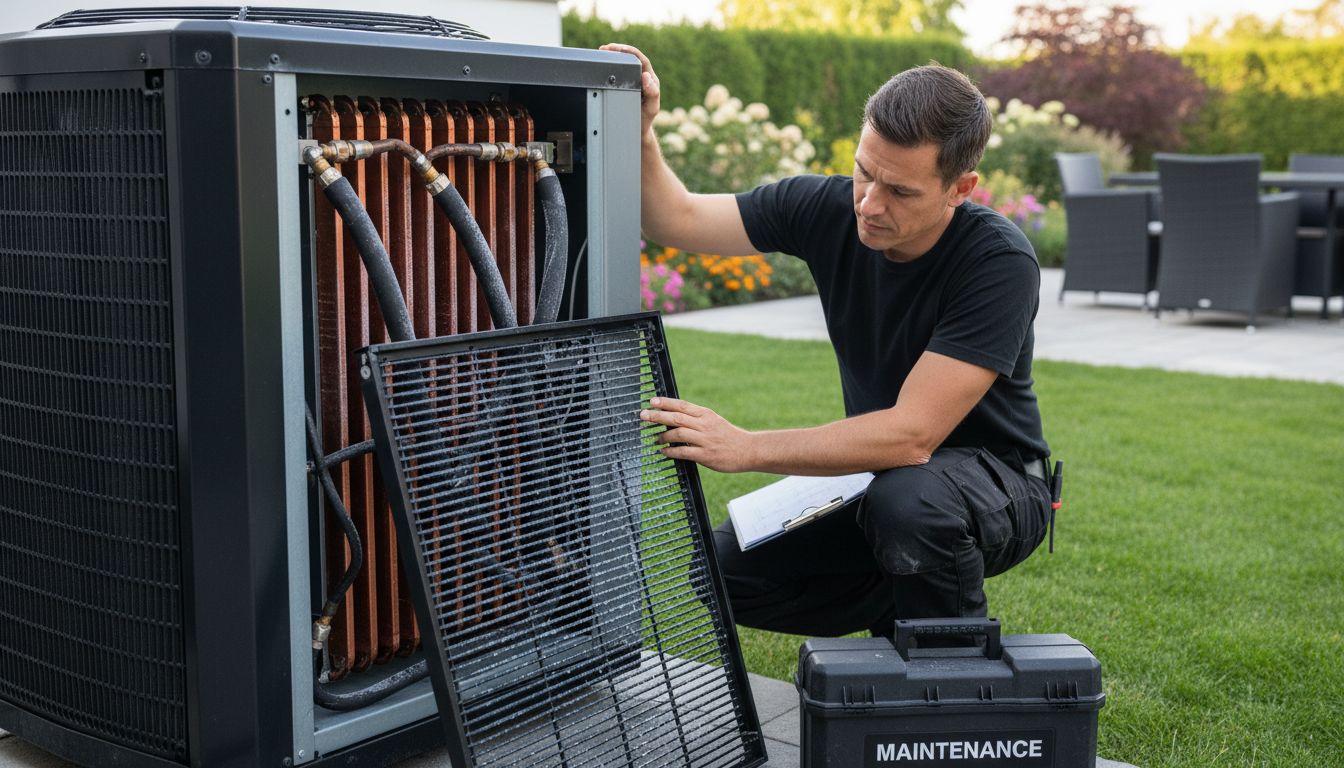
The most common component issues typically involve the compressor, condenser, and evaporator coils. Compressors may develop problems like refrigerant leaks, electrical failures, or mechanical wear that reduce system efficiency. Condenser coils are particularly susceptible to dirt and debris accumulation, which can dramatically decrease heat transfer capabilities and force the system to work harder. Regular cleaning and inspection can prevent these issues, with most manufacturers recommending professional maintenance at least once annually.
Seasonal maintenance should include comprehensive system checks that address potential vulnerabilities. Homeowners should prioritize tasks such as replacing air filters every 3-4 months, checking refrigerant levels, inspecting electrical connections, and ensuring proper lubrication of moving parts. Unusual sounds like grinding, squealing, or rattling often indicate underlying mechanical problems that require immediate professional attention. Smart homeowners recognize that investing in routine maintenance is far more cost-effective than waiting for catastrophic system failures.
Electrical components and control systems represent another critical maintenance area. Thermostats, capacitors, and circuit boards can degrade over time, leading to inconsistent temperature control or complete system shutdown. Advanced diagnostic tools now allow HVAC technicians to perform detailed assessments, identifying potential issues before they escalate into major repairs. By understanding these maintenance requirements, homeowners can protect their investment, maintain indoor comfort, and avoid unexpected and expensive emergency service calls.
Ensure Your HVAC System Runs Smoothly With Trusted Local Experts
Understanding every component of your HVAC system can feel overwhelming but staying on top of maintenance and timely repairs is essential to avoid costly breakdowns and uncomfortable indoor conditions. The article highlights key parts like compressors, coils, thermostats, ductwork, and air filters that all need professional attention to keep your home comfortable year-round. If you are facing challenges with system efficiency or suspect worn components, it is crucial to connect with reliable professionals who know how to address these issues effectively.

Take control of your indoor comfort today by using airconditioning-heating.com to find expert help for all your heating and cooling needs. Whether you need air conditioning installation or routine maintenance, our platform connects you with licensed air conditioning contractors and skilled technicians who provide fast service across Los Angeles. Act now to protect your investment and ensure your HVAC system performs at its best during intense seasonal changes.
Frequently Asked Questions
What are the main components of an HVAC system?
The main components of an HVAC system include the heating unit (furnace or heat pump), cooling unit (air conditioner), distribution system (ducts or piping), thermostat, air filters, and ventilation systems. Each component plays a critical role in regulating indoor temperature and air quality.
How does a heat pump work compared to a furnace?
A heat pump transfers thermal energy between indoor and outdoor environments, providing both heating and cooling capabilities. In contrast, a furnace burns fuel to generate warmth, primarily functioning only as a heating source. Heat pumps are often more energy-efficient, while furnaces perform better in extremely cold temperatures.
Why is regular maintenance essential for HVAC systems?
Regular maintenance is crucial for HVAC systems as it helps prevent unexpected failures, extends the system’s lifespan, and improves energy efficiency. Tasks like replacing air filters, cleaning coils, and inspecting components can significantly reduce repair costs and enhance overall performance.
What can I do to improve indoor air quality in my home?
To improve indoor air quality, regularly change air filters, use high-efficiency particulate air (HEPA) filters, maintain proper ventilation, and consider installing air purification systems. Additionally, keeping ducts clean and free from debris can help circulate cleaner air throughout your home.
Recommended
- #1 Air Conditioning Contractors 91302 | HVAC Pros | 877-999-0253
- #1 Air Conditioning Installation 91302 | HVAC Pros | 877-999-0253
- #1 Best HVAC Service 91303 | HVAC Pros | 877-999-0253
- #1 HVAC 91304 | HVAC Pros | 877-999-0253
- Keywords: Cooling issues – MDTech Services
- Refrigerator and Freezer Repair Hacks: Insider Tips from Industry Professionals – MDTech Services

