
Over 40 percent of American homes experience HVAC issues that could have been prevented with regular inspections. Unnoticed inefficiencies not only drive up energy bills but also put comfort and safety at risk. Understanding what these professional evaluations actually involve gives you the power to make smarter choices for your home, protect your investment, and avoid the stress of costly emergency repairs.
Table of Contents
- What Regular HVAC Inspections Involve
- Different Types of HVAC Inspection Services
- Impact on Energy Efficiency and Longevity
- Preventing Costly HVAC Repairs in Los Angeles
- Safety, Compliance, and Warranty Benefits
Key Takeaways
| Point | Details |
|---|---|
| Regular Inspections Enhance Efficiency | Routine HVAC inspections identify inefficiencies, leading to improved performance and reduced energy costs. |
| Early Problem Detection Saves Money | Proactive evaluations help catch minor issues before they escalate into costly repairs or system failures. |
| Safety and Compliance Assurance | Inspections ensure safety standards are met and help maintain compliance with local and manufacturer regulations. |
| Maintain Warranty Protection | Regular professional assessments fulfill maintenance requirements, keeping warranty coverage intact for potential repairs. |
What Regular HVAC Inspections Involve
Regular HVAC inspections are comprehensive professional evaluations designed to assess your home’s heating and cooling system thoroughly. Experienced technicians conduct detailed assessments to detect potential inefficiencies, prevent unexpected breakdowns, and ensure optimal system performance. These professional examinations go far beyond basic maintenance, providing a critical health check for your entire climate control infrastructure.
Typical HVAC inspections include multiple critical components and diagnostic procedures. Technicians systematically examine the air conditioning unit, furnace, ductwork, ventilation systems, electrical connections, refrigerant levels, and overall system efficiency. They check for signs of wear, potential mechanical issues, electrical problems, and any developing performance limitations that could compromise your system’s reliability. By identifying minor issues early, these inspections help homeowners avoid costly emergency repairs and unexpected system failures.
The inspection process typically involves several key steps:
- Thorough visual examination of all system components
- Performance testing of heating and cooling cycles
- Measurement of airflow and temperature differentials
- Electrical connection and control system evaluation
- Lubrication of moving mechanical parts
- Assessment of overall system energy efficiency
Pro Tip – Inspection Scheduling: Schedule your HVAC inspection during spring or fall to catch potential issues before extreme temperature seasons and ensure your system operates at peak performance when you need it most.
Beyond technical assessment, professional HVAC inspections play a crucial role in maintaining indoor air quality. Regular evaluations help filter out potential contaminants, check ventilation effectiveness, and ensure your system provides clean, healthy air circulation throughout your living space. By investing in routine professional inspections, you protect not just your HVAC equipment, but also the health and comfort of everyone in your home.
Different Types of HVAC Inspection Services
HVAC inspection services represent a comprehensive range of diagnostic and assessment procedures designed to evaluate heating, ventilation, and air conditioning systems. Certified inspectors perform detailed mechanical evaluations that go beyond basic maintenance, ensuring systems operate at peak efficiency and comply with critical safety standards.
Professional HVAC inspections can be categorized into several specialized types:
- Preventative Maintenance Inspections
- Routine system checks before peak seasonal usage
- Comprehensive component assessment
- Early detection of potential performance issues
- Energy Efficiency Inspections
- Detailed analysis of system energy consumption
- Recommendations for performance optimization
- Identification of potential energy-saving modifications
- Pre-Purchase Home Inspections
- Thorough evaluation of existing HVAC infrastructure
- Assessment of system age, condition, and remaining lifespan
- Identification of potential repair or replacement needs
Mechanical inspections encompass a wide range of system evaluations, including heating units, air conditioning systems, ventilation networks, fire damper installations, and refrigeration equipment. These comprehensive assessments ensure that all components meet local, state, and federal regulatory requirements, providing homeowners with peace of mind about their system’s safety and performance.
Additionally, specialized inspections may include thermal imaging assessments, airflow measurements, electrical connection evaluations, and refrigerant level checks. Each inspection type serves a unique purpose, from identifying potential safety hazards to improving overall system efficiency and extending equipment lifespan.
Pro Tip – Inspection Selection: Choose an HVAC inspection service that matches your specific needs, whether it’s a routine maintenance check, energy efficiency assessment, or comprehensive system evaluation before a property transaction.
Ultimately, professional HVAC inspection services provide critical insights into your system’s health, performance, and potential future requirements. By investing in regular, thorough inspections, homeowners can prevent unexpected breakdowns, optimize energy consumption, and ensure a comfortable, safe living environment.
Here’s a quick comparison of different HVAC inspection types and their primary benefits:
| Inspection Type | Main Focus | Key Benefit |
|---|---|---|
| Preventative Maintenance | Early issue detection | Reduces risk of expensive failures |
| Energy Efficiency Assessment | System energy consumption | Lowers utility bills |
| Pre-Purchase Home Evaluation | Overall system condition | Informs buying decisions |
| Mechanical & Specialized | Compliance and safety checks | Ensures safety and legal compliance |
Impact on Energy Efficiency and Longevity
Energy efficiency and system longevity are critical outcomes of consistent HVAC maintenance. Regular inspections directly impact a system’s performance and operational lifespan by identifying and addressing potential performance issues before they escalate into costly repairs or complete system failures.
The connection between routine inspections and energy consumption is profound. Technicians can detect and resolve inefficiencies that dramatically increase energy waste, such as:
- Clogged air filters reducing airflow
- Misaligned mechanical components
- Refrigerant level inconsistencies
- Worn electrical connections
- Accumulated dust and debris in critical system areas
Routine maintenance helps catch inefficiencies that contribute to unnecessary energy consumption, potentially reducing overall energy expenditure by 10-15% annually. These incremental improvements translate into significant long-term savings and reduced environmental impact.
System longevity depends directly on proactive maintenance. Professional inspections prevent excessive wear and tear by ensuring each component operates within optimal parameters. This approach can extend an HVAC system’s functional life by 30-50%, delaying expensive replacements and maintaining consistent performance throughout the equipment’s lifecycle.
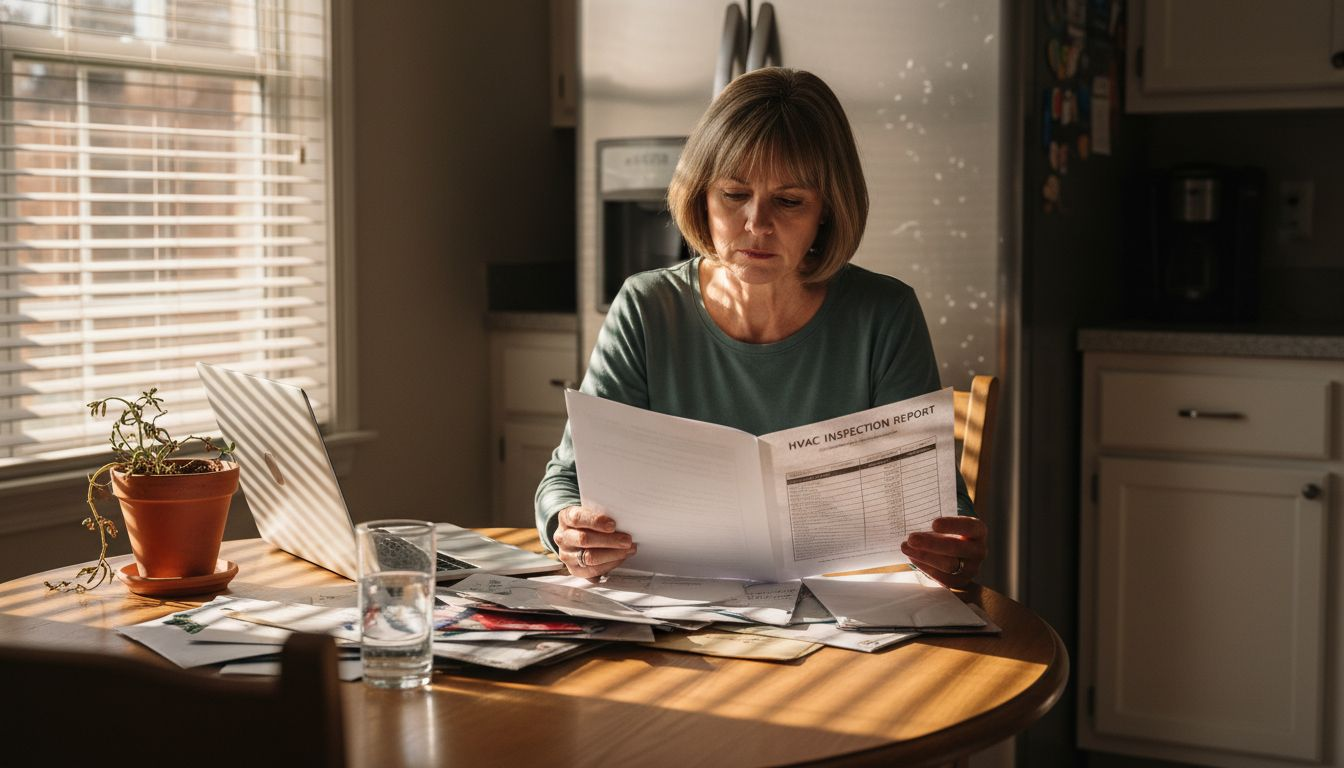
Pro Tip – Efficiency Tracking: Maintain a detailed maintenance log documenting each inspection, identifying patterns of wear, and tracking your system’s performance metrics to optimize long-term efficiency and anticipate potential future maintenance needs.
Ultimately, viewing HVAC inspections as an investment rather than an expense transforms how homeowners approach system maintenance. By prioritizing regular professional evaluations, you protect your equipment, reduce energy costs, and ensure a comfortable, reliable home environment.
The table below summarizes how regular HVAC inspections impact home value and long-term costs:
| Area Impacted | Result of Regular Inspections | Long-Term Value |
|---|---|---|
| Energy Consumption | Optimized system efficiency | Ongoing utility savings |
| System Lifespan | Reduced wear and tear | Delays costly replacements |
| Repair Expenses | Early detection prevents large costs | Avoids emergency repair bills |
| Safety & Compliance | Maintains safety standards | Protects occupants and investments |
Preventing Costly HVAC Repairs in Los Angeles
Homeowners in Los Angeles face unique challenges when maintaining their HVAC systems, particularly given the region’s extreme temperature variations. The Los Angeles Department of Building and Safety emphasizes the critical role of mechanical HVAC inspections in preventing expensive system failures and ensuring optimal performance throughout the year.
Preventing costly repairs requires a proactive approach that addresses potential issues before they become major problems. Common preventable issues include:
- Refrigerant leaks
- Electrical connection degradation
- Worn mechanical components
- Accumulated dust and debris
- Improper system calibration
Certified HVAC inspectors can detect minor issues that might escalate into expensive repairs, potentially saving homeowners thousands of dollars in replacement costs. These professionals use advanced diagnostic tools to identify subtle performance variations that untrained eyes might miss, catching problems when they’re most cost-effective to address.
The financial implications of neglecting HVAC maintenance are significant. A small $150 inspection can prevent repairs that might cost between $500 and $5,000, depending on the complexity of the system. In Los Angeles, where air conditioning is practically essential, unexpected breakdowns can be particularly disruptive and expensive.
Pro Tip – Repair Prevention: Schedule professional HVAC inspections twice annually, ideally before the most extreme temperature seasons, to catch potential issues early and maintain your system’s peak performance.
Ultimately, preventing costly HVAC repairs is about understanding that maintenance is an investment, not an expense. By dedicating resources to regular professional inspections, Los Angeles homeowners can protect their equipment, maintain indoor comfort, and avoid the financial stress of unexpected system failures.
Safety, Compliance, and Warranty Benefits
Safety is the cornerstone of professional HVAC maintenance, encompassing far more than routine system checks. Regular inspections play a critical role in identifying potential hazards that could compromise the health and well-being of homeowners, such as gas leaks, electrical malfunctions, and carbon monoxide risks.
Compliance with local and manufacturer regulations requires meticulous attention to specific maintenance standards. Key areas of focus include:
- Verifying electrical connection integrity
- Checking refrigerant levels and potential leaks
- Ensuring proper combustion and ventilation
- Validating safety control mechanism functionality
- Confirming system alignment with current building codes
Routine inspections help maintain warranty coverage by fulfilling manufacturer maintenance requirements, protecting homeowners from potentially expensive out-of-pocket repair costs. Most manufacturers mandate regular professional assessments as a condition of warranty validity, making these inspections a critical financial safeguard.
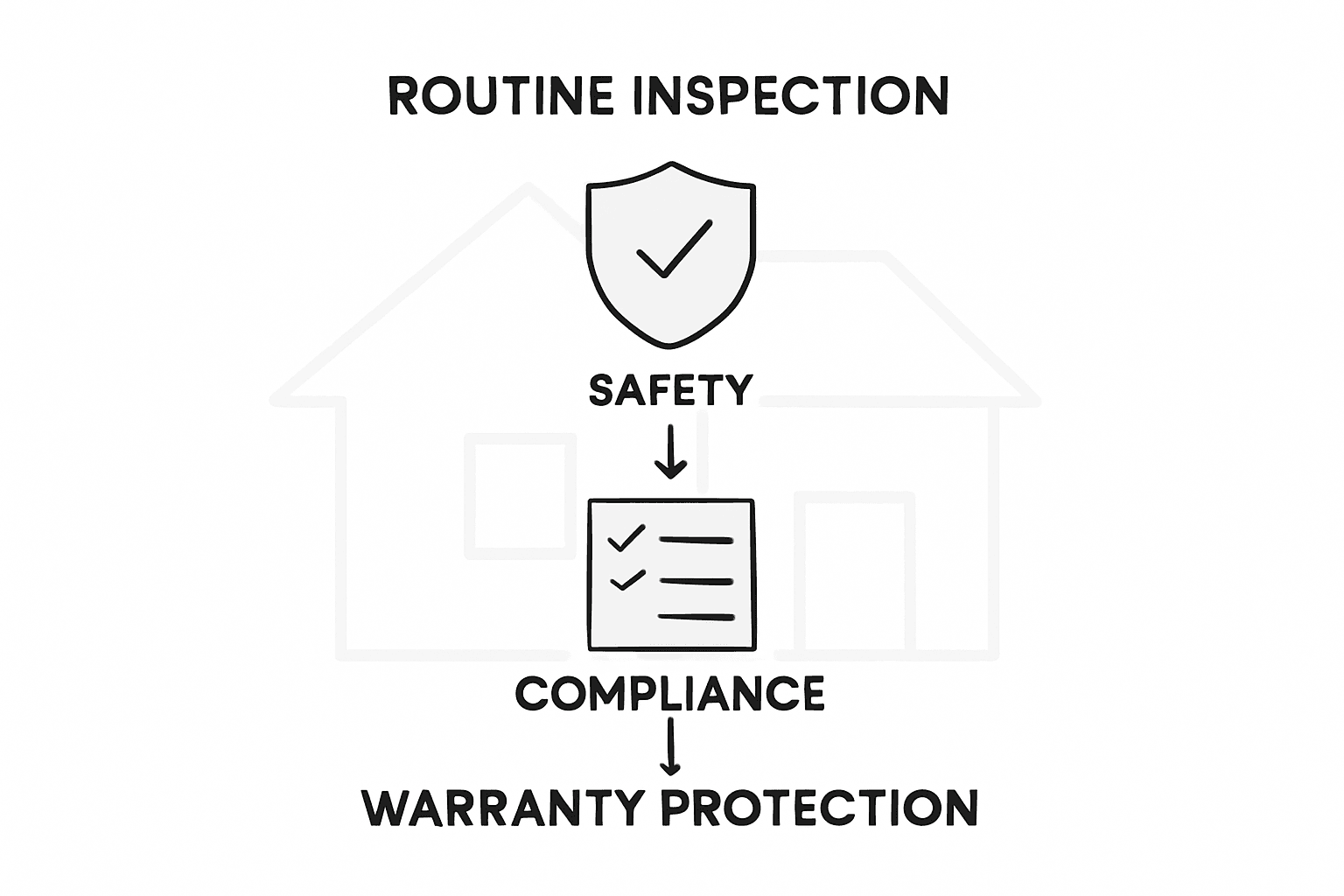
Warranty protection extends beyond simple documentation. Manufacturers typically require documented evidence of consistent, professional maintenance to honor repair or replacement claims. This means each inspection creates a paper trail demonstrating responsible system management, which can be crucial when unexpected system failures occur.
Pro Tip – Documentation Strategy: Maintain a comprehensive maintenance log with detailed inspection reports, photographs, and professional assessments to create an ironclad record of your system’s maintenance history.
Ultimately, safety, compliance, and warranty benefits are interconnected aspects of responsible HVAC ownership. By prioritizing professional inspections, homeowners protect their investment, ensure family safety, maintain system performance, and preserve critical warranty protections.
Take Control of Your Home Comfort and Safety with Expert HVAC Inspections
Experiencing frequent breakdowns or rising energy bills can make home comfort feel out of reach. This article highlights how regular HVAC inspections are essential to catch costly repairs early, optimize your system’s energy efficiency, and maintain safety compliance. If you want to avoid emergency fixes and extend your HVAC system’s lifespan while protecting your family from hazards such as refrigerant leaks or electrical malfunctions, expert guidance is key.

At airconditioning-heating.com, we connect you with licensed HVAC professionals in Los Angeles who specialize in thorough inspections, preventative maintenance, and energy-saving solutions tailored to your needs. Don’t wait for breakdowns to disrupt your comfort. Take action now by visiting airconditioning-heating.com to find trusted local contractors ready to help you maintain peak system performance and safeguard your home. Secure your peace of mind and reduce repair costs before the next season hits.
Frequently Asked Questions
What does a regular HVAC inspection involve?
Regular HVAC inspections include a thorough visual examination of all system components, performance testing of heating and cooling cycles, airflow measurements, electrical connection evaluations, lubrication of moving parts, and an assessment of overall system energy efficiency.
How often should I schedule HVAC inspections?
It is recommended to schedule HVAC inspections at least twice a year, ideally before the peak heating and cooling seasons, to identify potential issues early and ensure optimal system performance.
What are the benefits of energy efficiency inspections for HVAC systems?
Energy efficiency inspections analyze a system’s energy consumption, identify inefficiencies, and provide recommendations for performance optimization, resulting in lower utility bills and improved system longevity.
How do regular HVAC inspections contribute to safety?
Regular HVAC inspections help identify potential hazards like gas leaks, electrical malfunctions, and carbon monoxide risks, ensuring the safety and well-being of everyone in your home.

