
Over half of an average American home’s energy use comes from heating and cooling, which makes HVAC systems a top priority for Los Angeles residents. These systems play a crucial role in battling the region’s extreme temperature swings and persistent air quality concerns. By choosing and maintaining the right HVAC solution, homeowners can enjoy healthier living spaces, lower monthly expenses, and peace of mind in one of the largest American cities.
Table of Contents
- Defining HVAC Systems and Their Importance
- Types of HVAC Solutions for Los Angeles Climates
- Key Benefits: Indoor Comfort and Energy Efficiency
- Air Quality and Health Impacts in Urban Settings
- Legal, Safety, and Maintenance Requirements
Key Takeaways
| Point | Details |
|---|---|
| Importance of HVAC Systems | HVAC systems are essential for regulating temperature, humidity, and air quality, ensuring comfort and health in homes, especially in Los Angeles. |
| Types of HVAC Solutions | Common HVAC solutions include central air conditioning, heat pumps, and ductless mini-split systems, each designed for specific residential needs. |
| Benefits of Modern Systems | Advanced HVAC technologies enhance indoor comfort, improve air quality, and increase energy efficiency, leading to lower utility bills. |
| Legal and Safety Considerations | Homeowners must adhere to local regulations regarding installation and maintenance to ensure safety and compliance of their HVAC systems. |
Defining HVAC Systems and Their Importance
Heating, ventilation, and air conditioning (HVAC) systems are more than just temperature control units – they are the silent guardians of comfort and health in Los Angeles homes. These complex systems regulate indoor environments by managing temperature, humidity, and air quality, ensuring residents enjoy optimal living conditions.
At its core, an HVAC system performs three critical functions: heating during cooler nights, cooling during scorching summer days, and continuously circulating fresh air throughout living spaces. In Los Angeles, where temperatures can swing dramatically, these systems are not just convenient – they’re essential. Energy consumption studies reveal that heating and cooling represent approximately half of a typical home’s energy usage, underscoring the significant role HVAC systems play in both comfort and household expenses.
Understanding the components of an HVAC system helps homeowners appreciate its complexity. The system typically includes:
- Thermostat: The control center that monitors and adjusts temperature
- Furnace: Responsible for heating during cooler periods
- Air Conditioning Unit: Provides cooling and removes humidity
- Ductwork: Distributes conditioned air throughout the home
- Air Filters: Trap dust, allergens, and particulate matter
By maintaining these systems properly, Los Angeles homeowners can ensure consistent comfort, improve indoor air quality, and manage energy costs effectively.
Types of HVAC Solutions for Los Angeles Climates
Los Angeles homeowners face unique climate challenges that demand versatile and efficient HVAC solutions. The region’s hot summers and mild winters require systems that can adapt quickly and maintain optimal indoor comfort. HVAC installation guides recommend several core system types designed specifically for Southern California’s distinctive environmental conditions.
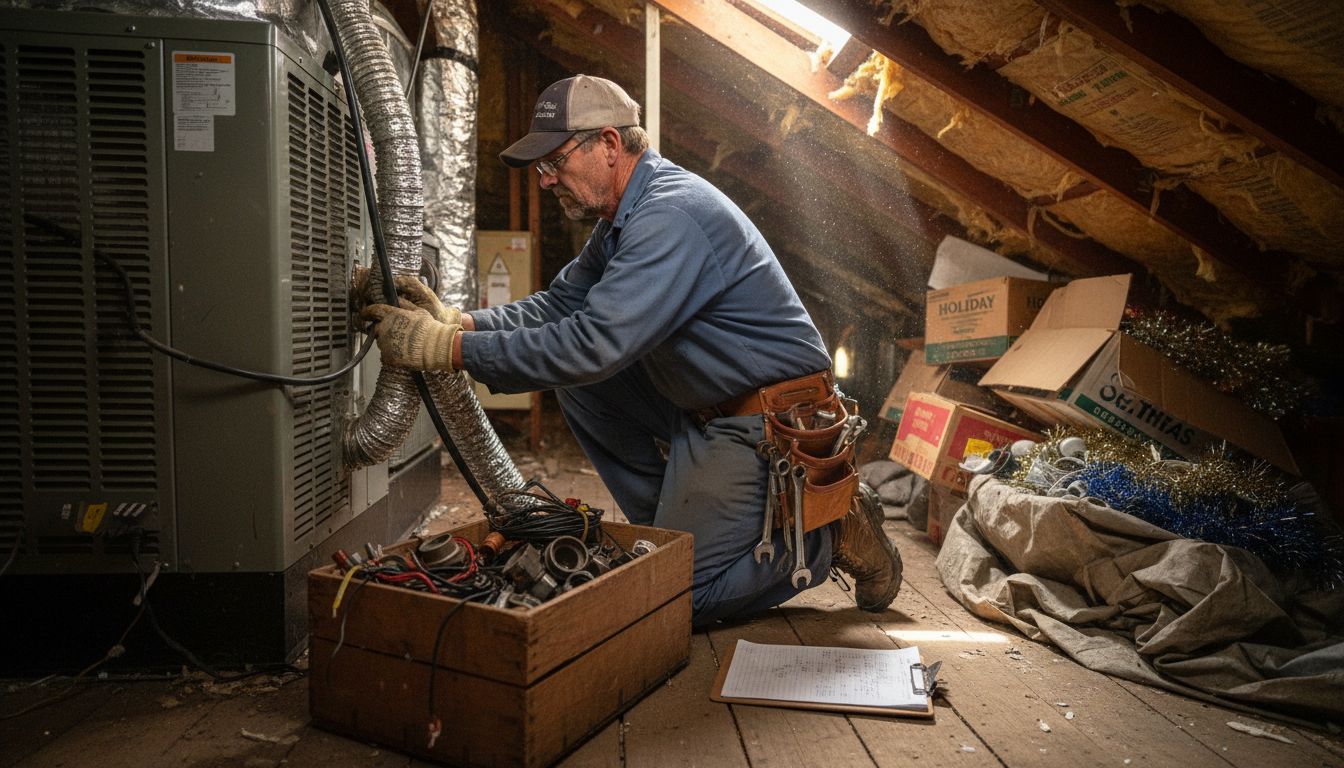
The most common HVAC solutions for Los Angeles homes include central air conditioning systems, heat pumps, and ductless mini-split systems. Central air conditioning remains popular for larger homes, providing comprehensive cooling through extensive ductwork. Heat pumps offer exceptional energy efficiency by transferring heat instead of generating it, making them ideal for regions with moderate temperature variations. Ductless mini-split systems provide targeted cooling and heating for specific zones, perfect for homes with unique architectural layouts or rooms with inconsistent temperatures.
Each HVAC solution offers distinct advantages tailored to different residential needs:
-
Central Air Conditioning:
- Whole-house cooling
- Consistent temperature distribution
- Works well with existing ductwork
-
Heat Pump Systems:
- High energy efficiency
- Dual heating and cooling capabilities
- Lower operational costs
-
Ductless Mini-Split Systems:
- Flexible installation
- Individual room temperature control
- Minimal structural modifications required
Selecting the right HVAC solution depends on factors like home size, budget, existing infrastructure, and specific comfort requirements. Professional assessment helps homeowners make informed decisions that balance performance, efficiency, and long-term value.
Key Benefits: Indoor Comfort and Energy Efficiency
Modern HVAC systems offer Los Angeles homeowners far more than basic temperature control. Advanced residential HVAC technologies have transformed indoor environments into sophisticated comfort zones that balance precise temperature management with exceptional energy efficiency. These innovative systems adapt seamlessly to the unique climate challenges of Southern California, providing targeted cooling and heating while minimizing energy consumption.
The primary benefits of contemporary HVAC solutions extend beyond simple temperature regulation. ENERGY STAR certified systems dramatically improve indoor air quality, enhance moisture control, and significantly reduce utility expenses. Smart technologies like variable-speed compressors and intelligent thermostats enable homeowners to create personalized climate control strategies that optimize comfort and minimize energy waste.
Key advantages of modern HVAC systems include:
-
Enhanced Comfort Control:
- Precise temperature management
- Consistent indoor climate
- Reduced hot and cold spots
-
Energy Efficiency Benefits:
- Lower utility bills
- Reduced environmental impact
- Smart energy consumption tracking
-
Air Quality Improvements:
- Advanced filtration systems
- Humidity regulation
- Allergen and pollutant reduction
By investing in high-performance HVAC technologies, Los Angeles homeowners can create more comfortable, healthier living spaces while simultaneously reducing their energy expenses and environmental footprint.
Air Quality and Health Impacts in Urban Settings
Urban environments like Los Angeles present unique challenges for indoor air quality, making advanced HVAC systems critical for maintaining healthy living spaces. Residential HVAC technologies play a pivotal role in mitigating the health risks associated with dense urban pollution, effectively filtering out harmful particulates and creating safe indoor environments for residents.
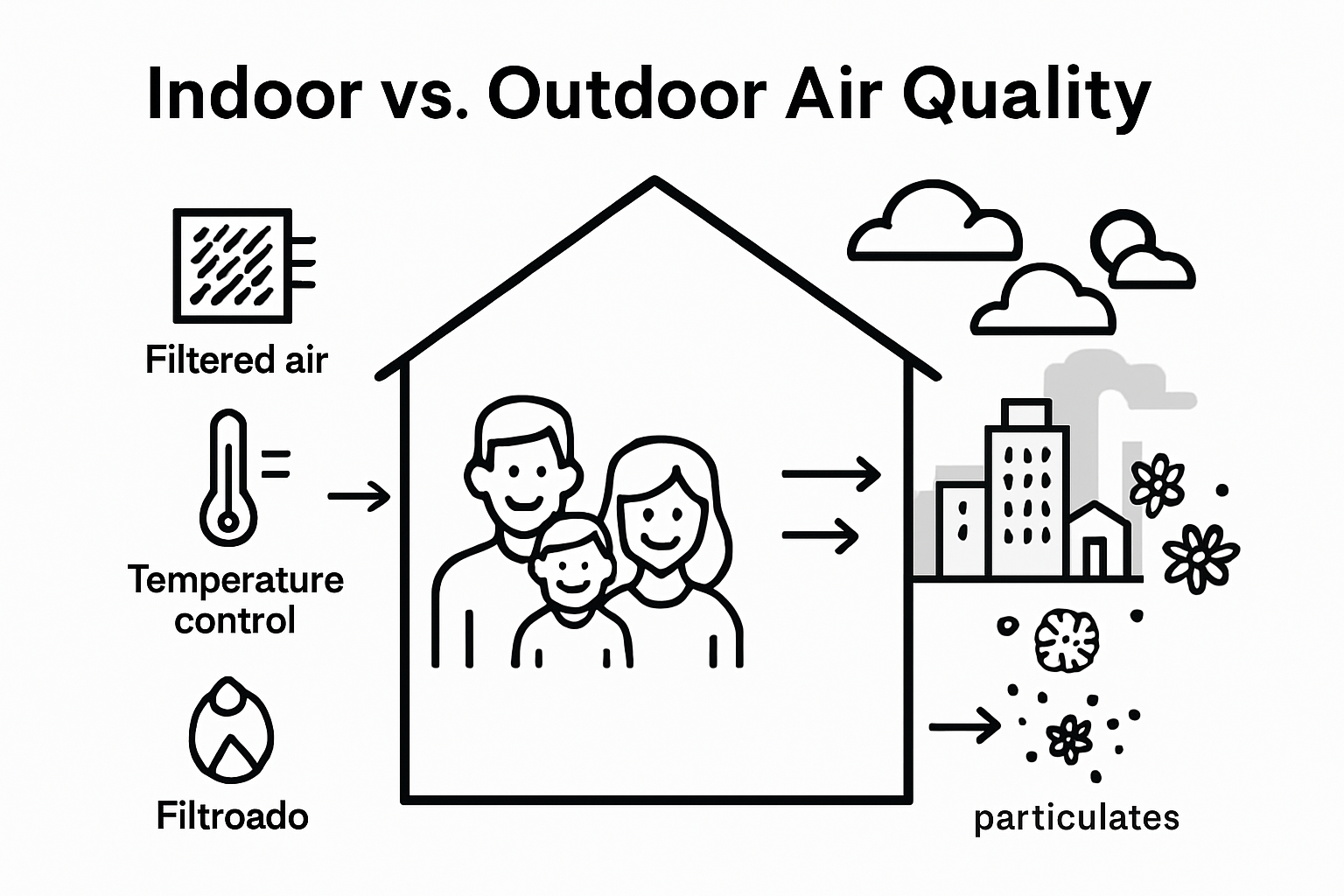
The impact of poor air quality extends far beyond temporary discomfort. Urban dwellers are consistently exposed to multiple air quality threats, including vehicle emissions, industrial pollutants, wildfire smoke, and airborne allergens. Modern HVAC systems combat these challenges through sophisticated multi-stage filtration processes that trap microscopic particles, reducing respiratory risks and potential long-term health complications. By maintaining optimal humidity levels and continuously circulating clean air, these systems create a protective barrier against environmental contaminants.
Key air quality management strategies include:
-
Advanced Filtration:
- HEPA filter technology
- Removal of microscopic pollutants
- Allergen and particulate reduction
-
Humidity Control:
- Prevents mold growth
- Reduces bacterial proliferation
- Maintains optimal respiratory conditions
-
Air Circulation Techniques:
- Continuous air exchange
- Elimination of stagnant air pockets
- Balanced indoor air distribution
For Los Angeles residents, investing in high-performance HVAC systems represents more than a comfort choice – it’s a critical health protection strategy designed to combat the complex air quality challenges of urban living.
Legal, Safety, and Maintenance Requirements
Navigating the complex landscape of HVAC system regulations requires homeowners to understand the critical legal and safety standards that govern installation and maintenance. The Uniform Mechanical Code (UMC) provides comprehensive guidelines that ensure HVAC systems meet rigorous safety and performance standards, protecting both residential property owners and occupants from potential risks associated with improper installation or maintenance.
ENERGY STAR certification standards establish stringent requirements for HVAC system quality, focusing on proper sizing, installation precision, and ongoing maintenance protocols. These regulations are particularly crucial in Los Angeles, where unique environmental conditions and building codes demand specialized approach to heating, cooling, and ventilation systems.
Key legal and safety considerations include:
-
Installation Requirements:
- Professional licensing verification
- Compliance with local building codes
- Permits and inspection documentation
-
Safety Protocols:
- Electrical system compatibility
- Proper ventilation standards
- Carbon monoxide and gas leak prevention
-
Maintenance Obligations:
- Annual professional inspections
- Regular filter replacements
- System performance documentation
Homeowners must prioritize working with licensed professionals who understand local regulations, ensuring their HVAC systems not only provide optimal comfort but also meet all legal safety standards and municipal requirements.
Ensure Your Los Angeles Home Stays Comfortable and Healthy Year-Round
Understanding why HVAC systems matter in Los Angeles homes means recognizing the challenges of extreme temperatures and urban air quality. Whether you face rising energy bills, inconsistent indoor temperatures, or concerns about air quality and maintenance safety, finding the right HVAC professional is critical to protect your comfort and health. The article highlights the importance of components like thermostats, air filters, and ductwork along with compliance to safety regulations — all areas where expert care makes a difference.
Ready to take control of your home’s comfort with trusted local experts?

Explore tailored HVAC solutions including installations, repairs, and maintenance that suit the unique climate demands of Los Angeles at airconditioning-heating.com. Connect instantly with licensed contractors who prioritize energy efficiency, air quality, and system longevity. Don’t wait for discomfort or costly breakdowns. Visit airconditioning-heating.com now to secure reliable HVAC service and safeguard your indoor environment today.
Frequently Asked Questions
What are the primary functions of an HVAC system?
An HVAC system provides heating, cooling, and ventilation to regulate indoor temperature, humidity, and air quality, ensuring comfort and health in homes.
How do different HVAC systems impact energy efficiency?
Central air conditioning, heat pumps, and ductless mini-split systems offer varying levels of energy efficiency, with heat pumps being particularly efficient as they transfer heat instead of generating it, ultimately lowering operational costs.
What are the benefits of advanced HVAC technologies?
Modern HVAC systems improve indoor air quality, enhance moisture control, and significantly reduce utility bills through advanced technologies like variable-speed compressors and smart thermostats, allowing for personalized climate control.
How can HVAC systems improve indoor air quality?
HVAC systems use advanced filtration technologies, humidity control, and effective air circulation techniques to reduce pollutants, allergens, and respiratory risks, creating healthier living environments.
Recommended
- #1 HVAC Company Los Angeles, CA | HVAC Pros | (833) 441-1101
- #1 HVAC Company Los Angeles, CA | HVAC Pros | (833) 441-1101
- #1 HVAC Company Los Angeles, CA | HVAC Pros | 877-999-0253
- #1 HVAC Company Los Angeles, CA | HVAC Pros | 877-999-0253
- Role of HVAC Maintenance Agreements for Reliable Comfort
- Understanding What is an Air to Air Heat Pump – Skan Plumbing & Heating

