
Most American homes face higher energy bills as old HVAC systems age past ten years. These outdated units often become less reliable, pushing families to deal with unpredictable comfort and repeated repairs. Research shows that switching to a modern HVAC system can reduce energy use by up to 40 percent, saving hundreds each year. Understanding when your American household’s HVAC equipment is considered old helps protect your comfort, cut costs, and support eco-friendly living.
Table of Contents
- What Is An Old HVAC System?
- Common Signs Your HVAC Is Outdated
- How Aging HVAC Affects Efficiency And Comfort
- Financial And Environmental Benefits Of Replacement
- Los Angeles HVAC Laws And Upgrade Incentives
Key Takeaways
| Point | Details |
|---|---|
| Age of HVAC Systems | Old HVAC systems are generally over 10 years old and exhibit decreased efficiency, higher utility bills, and increased repair costs. |
| Signs of Outdated Systems | Inconsistent temperatures and rising energy consumption are primary indicators that an HVAC system needs replacement. |
| Financial and Environmental Benefits | Replacing old HVAC units can lead to significant savings on energy bills and reduced carbon emissions, improving overall home comfort. |
| Los Angeles Upgrade Incentives | Homeowners in Los Angeles should leverage local and federal incentives for energy-efficient HVAC upgrades to offset costs and comply with regulations. |
What Is an Old HVAC System?
An old HVAC system typically refers to heating, ventilation, and air conditioning equipment that has been in service for 10-15 years, gradually losing efficiency and performance over time. These aging systems become increasingly problematic as they experience wear and tear, consuming more energy while delivering diminished comfort levels for homeowners.
Characteristics of an old HVAC system include frequent repairs, inconsistent temperature control, higher utility bills, and outdated technological components. Homeowners often notice these warning signs through unusual noises, uneven cooling or heating across different rooms, and rising maintenance costs. Modern HVAC installation services can help diagnose whether your current system qualifies as outdated and requires replacement.
Most HVAC systems manufactured before 2010 are considered technologically obsolete, with significantly lower energy efficiency ratings compared to current models. These older units often use refrigerants that are no longer environmentally compliant and consume substantially more electricity than newer, more streamlined systems. Technological advancements in recent years have dramatically improved system performance, with modern HVAC equipment offering smart home integration, advanced zoning capabilities, and dramatically reduced energy consumption.
Recognizing when your HVAC system has reached the end of its functional lifecycle is crucial for maintaining home comfort and controlling long-term energy expenses. Proactive homeowners should monitor their system’s performance, age, and repair frequency to determine the optimal time for replacement before complete system failure occurs.
Common Signs Your HVAC Is Outdated
Outdated HVAC systems manifest through several critical performance indicators that signal potential replacement is necessary. Diagnostic warning signs help homeowners identify when their heating and cooling equipment has reached the end of its functional lifecycle, potentially saving significant repair and energy expenses.
Inconsistent temperatures throughout your home represent a primary indicator of an aging HVAC system. Rooms might experience dramatic temperature variations, with some areas feeling significantly warmer or cooler than others. According to industry research, these temperature inconsistencies often stem from deteriorating ductwork, diminished system efficiency, and compromised mechanical components that can no longer distribute air evenly.
Energy consumption provides another crucial metric for determining HVAC system age. Older units typically consume substantially more electricity compared to modern, energy-efficient models. Homeowners might notice unexplained increases in monthly utility bills, with energy costs rising dramatically despite unchanged usage patterns. These escalating expenses suggest that your current system is working significantly harder to maintain desired temperature levels, resulting in decreased performance and higher operational costs.
Mechanical symptoms like unusual noises, frequent breakdowns, and the need for repeated repairs also signal an outdated HVAC system. Grinding, squealing, or banging sounds during operation indicate internal component wear. When repair costs begin approaching 50% of a new system’s price, professional HVAC technicians typically recommend complete system replacement as the most cost-effective long-term solution for maintaining home comfort and energy efficiency.
How Aging HVAC Affects Efficiency and Comfort
Energy efficiency dramatically declines as HVAC systems age, creating significant challenges for homeowners seeking consistent indoor comfort. Commercial HVAC maintenance experts emphasize that older systems consume substantially more electricity while delivering diminished performance, directly impacting both household expenses and environmental sustainability.
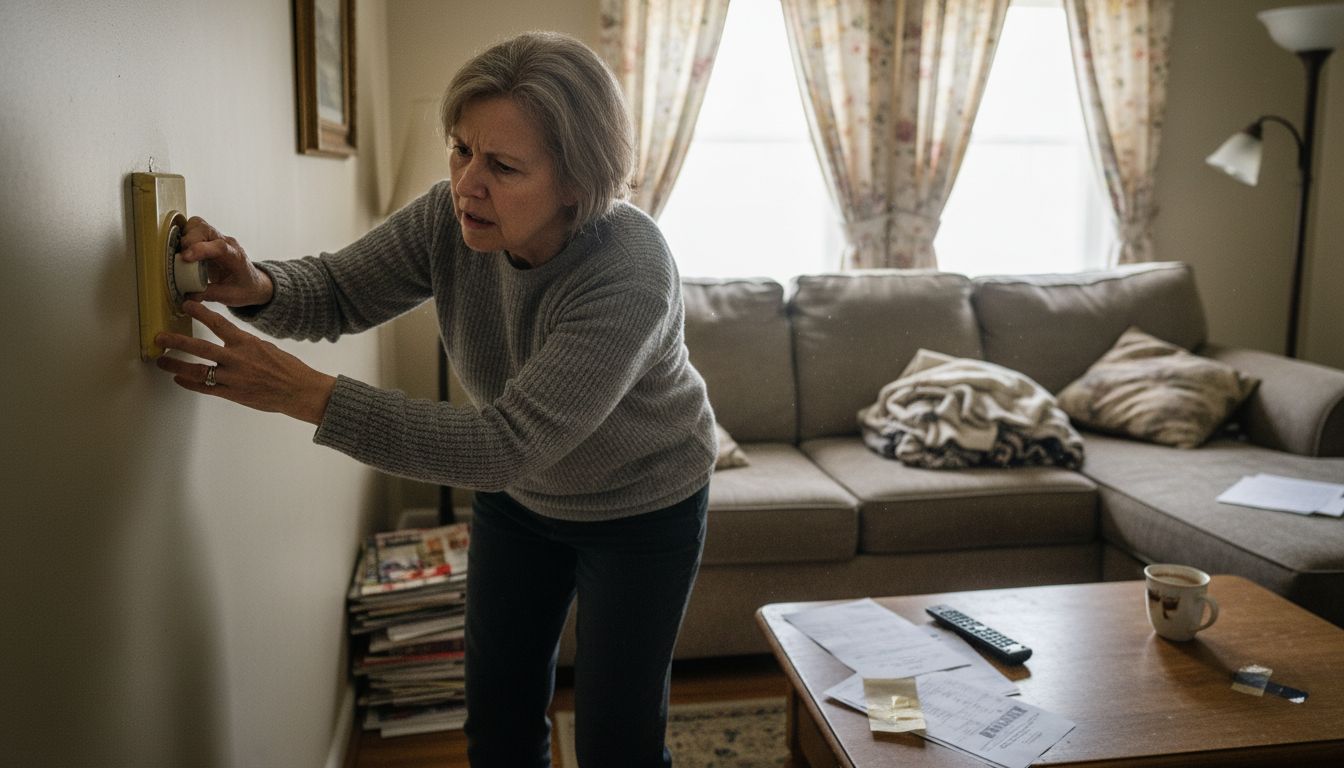
As HVAC equipment deteriorates, its ability to maintain consistent temperatures becomes increasingly compromised. Homeowners often experience uneven heating and cooling, with some rooms feeling noticeably warmer or cooler than others. Research indicates that aging systems struggle to distribute air evenly, creating uncomfortable hot and cold zones that disrupt household comfort and force the system to work harder to compensate for mechanical inefficiencies.
The financial implications of an aging HVAC system extend far beyond simple discomfort. Older units typically consume 30-40% more energy compared to modern, high-efficiency models, resulting in exponentially higher utility bills. Strange mechanical noises, unexpected breakdowns, and inconsistent performance become increasingly common, signaling that the system’s internal components are progressively wearing down and losing their original operational capacity.
Ultimately, the cumulative effect of an aging HVAC system manifests through reduced indoor air quality, increased energy consumption, and diminished overall comfort. Homeowners should carefully monitor their system’s performance, recognizing that timely replacement can prevent costly emergency repairs and provide more reliable temperature management throughout their living spaces.
Financial and Environmental Benefits of Replacement
Energy-efficient HVAC systems represent a critical investment for homeowners seeking to reduce both financial burdens and environmental impact. Best HVAC contractors consistently demonstrate that modern replacement units can dramatically lower utility expenses while significantly reducing carbon emissions.
Financial advantages of HVAC replacement emerge through multiple channels. Newer systems typically consume 20-40% less electricity compared to older models, translating into substantial annual savings. Homeowners can expect reduced monthly utility bills, with potential energy cost reductions ranging from $300 to $1,000 annually, depending on the specific system and household requirements. These economic benefits are complemented by potential tax credits and utility rebates designed to incentivize energy-efficient home improvements.
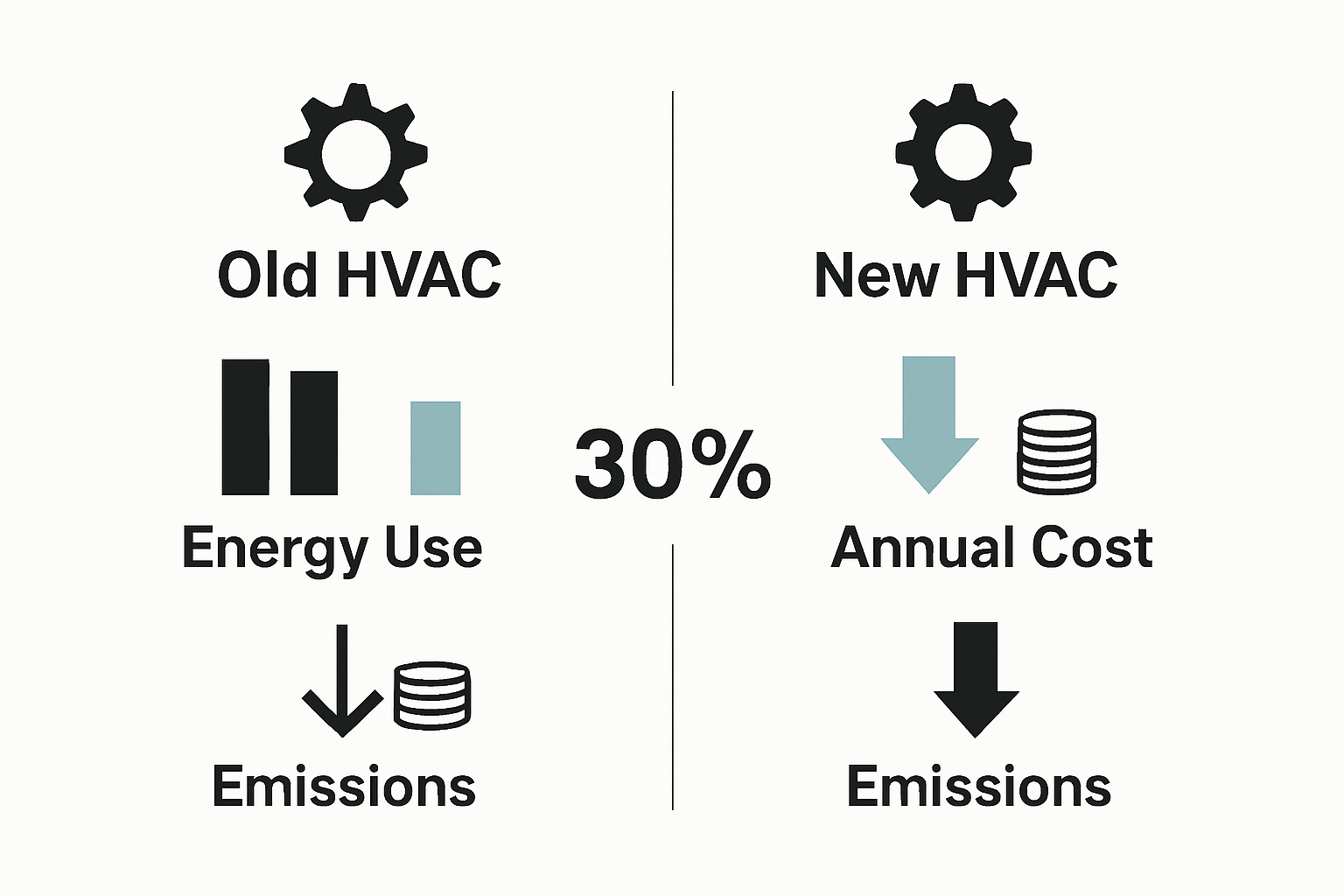
Environmental considerations extend beyond immediate financial savings. Modern HVAC systems utilize advanced refrigerants and technologies that minimize greenhouse gas emissions, contributing to broader sustainability goals. By replacing outdated equipment, homeowners directly reduce their carbon footprint, with each new high-efficiency unit potentially preventing several thousand pounds of carbon dioxide from entering the atmosphere annually. This environmental impact represents a meaningful contribution to climate change mitigation efforts at the individual household level.
Beyond monetary and ecological benefits, replacing an aging HVAC system enhances overall home comfort and air quality. Advanced filtration technologies, improved temperature regulation, and more precise humidity control create a healthier indoor environment. Homeowners gain not just financial and environmental advantages, but also a more comfortable, responsive living space that adapts efficiently to changing temperature and air quality needs.
Los Angeles HVAC Laws and Upgrade Incentives
Energy efficiency regulations in Los Angeles create a complex landscape of legal requirements and financial opportunities for homeowners considering HVAC upgrades. HVAC maintenance guide experts emphasize the critical importance of understanding local compliance standards and available incentive programs before initiating any system replacement.
California’s stringent Building Energy Efficiency Standards mandate specific performance requirements for HVAC installations, particularly in Los Angeles. These regulations require new systems to meet strict energy conservation guidelines, with compliance becoming increasingly important for homeowners seeking to replace older, inefficient equipment. Property owners must ensure their new HVAC systems meet Title 24 energy efficiency standards, which dictate minimum performance levels and installation specifications designed to reduce overall energy consumption.
Financial incentives provide significant motivation for Los Angeles homeowners to upgrade their HVAC systems. The Los Angeles Department of Water and Power offers substantial rebate programs targeting energy-efficient replacements, with potential savings ranging from $500 to $2,500 depending on the specific system and its efficiency rating. These incentives not only offset installation costs but also encourage residents to invest in more environmentally responsible heating and cooling technologies that align with the city’s sustainability goals.
Beyond local utility incentives, homeowners can access additional financial benefits through federal tax credits and state-level energy efficiency programs. These combined incentives can significantly reduce the overall cost of HVAC replacement, making modern, high-efficiency systems more accessible. Residents should carefully research current rebate programs, consult with licensed HVAC professionals, and document all upgrades to maximize their potential financial and environmental benefits.
Upgrade Your Old HVAC System Today for Better Comfort and Savings
If your home is struggling with uneven temperatures, rising energy bills, or constant repairs from an aging HVAC system you are not alone. The article “The Essential Guide to Replacing Old HVAC” highlights how outdated systems lose efficiency and can increase both your expenses and discomfort. Consider the long-term benefits of an energy-efficient replacement that improves indoor comfort, lowers utility costs, and meets Los Angeles energy standards.

Take control of your home’s temperature and budget by connecting with trusted local experts through airconditioning-heating.com. Our platform links you to skilled professionals who specialize in HVAC installation, repair, and maintenance tailored to the Southern California climate. Don’t wait for costly breakdowns or soaring bills act now to find licensed contractors ready to upgrade your system with the latest high-efficiency technology. Learn more about how our network supports timely, affordable solutions at airconditioning-heating.com and ensure your HVAC system keeps you comfortable all year long.
Frequently Asked Questions
How do I know if my HVAC system is too old and needs replacement?
You should consider replacing your HVAC system if it is 10-15 years old, shows signs of inconsistent temperatures, is experiencing frequent breakdowns, and your energy bills have been increasing despite steady usage.
What are the financial benefits of replacing an old HVAC system?
Replacing an old HVAC system can save you 20-40% on energy costs annually, reduce your utility bills significantly, and provide access to potential tax credits and utility rebates for energy-efficient upgrades.
How does an aging HVAC system affect indoor comfort?
An aging HVAC system can lead to uneven heating and cooling throughout your home, resulting in uncomfortable hot and cold spots, reduced air quality, and increased energy consumption as the system struggles to maintain desired temperatures.
What regulations or incentives should I consider when replacing my HVAC system?
Before replacing your HVAC system, check for local energy efficiency regulations, such as Title 24 compliance standards, and explore available rebate programs that offer financial incentives for energy-efficient system upgrades.
Recommended
- #1 Best HVAC Contractors 91303 | HVAC Pros | 877-999-0253
- #1 Ductless Heating and Cooling 91303 | HVAC Pros | 877-999-0253
- #1 Air Conditioning Installation 91302 | HVAC Pros | 877-999-0253
- #1 Best HVAC Service 91303 | HVAC Pros | 877-999-0253
- Why Upgrade HVAC System: Complete Tampa Bay Guide – Home Therapist Cooling, Heating, and Plumbing

